
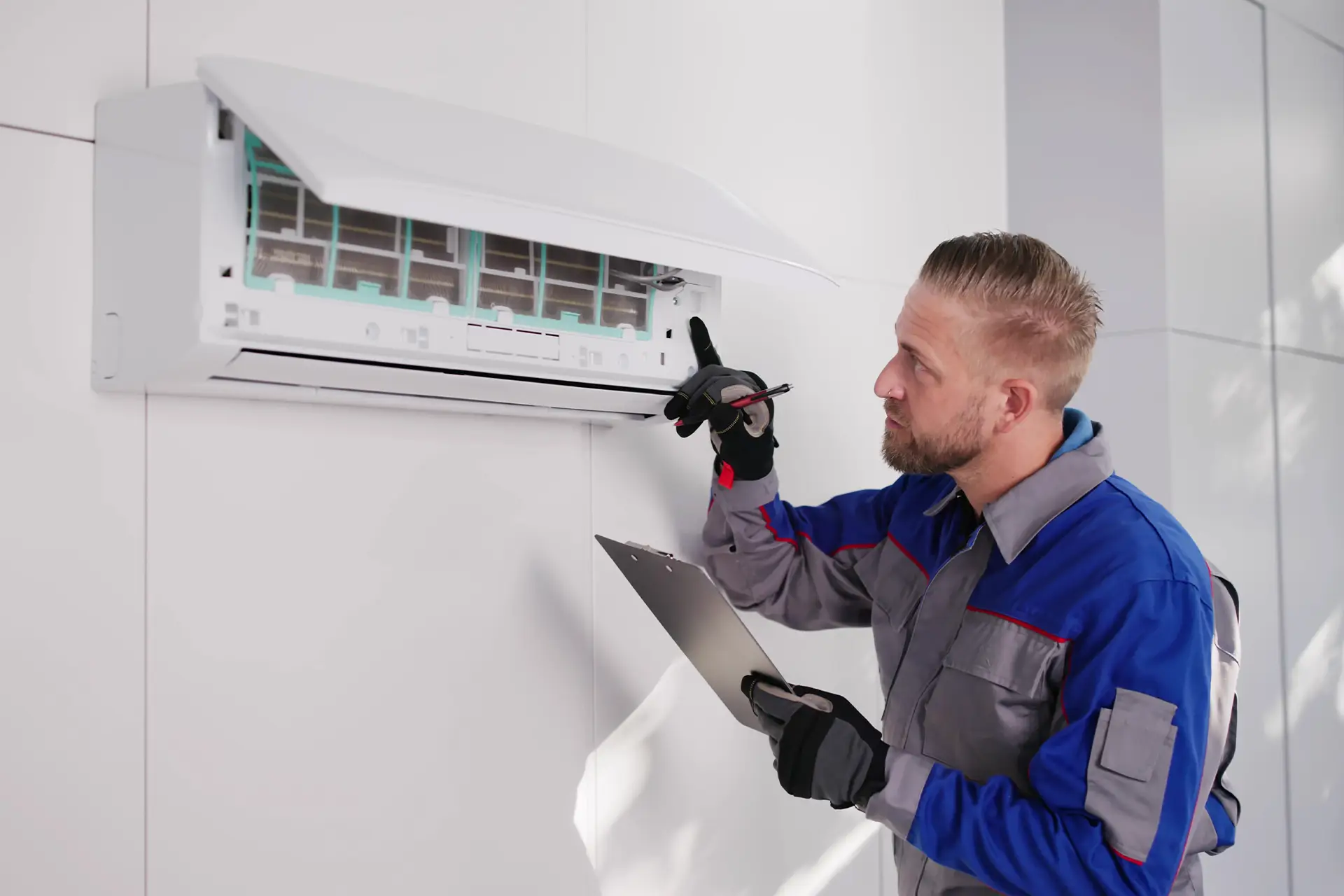
How Long Does It Take To Install an AC? The Home AC Installation Process
If you are replacing your air conditioner, you probably want to know how long your home will be without cooling. The experts at Creeks Air Conditioning & Heating explain the steps involved in an AC installation, how long the process may take, and what can affect the timeline.
How Long Does It Take To Install an AC?
Installation time depends on the work involved. Replacing an existing system usually takes less time than installing a complete HVAC system in a new home. In general, homeowners can expect the following:
- Standard central AC swap: About 4–8 hours
- Full system swap with ductwork or other modifications: Potentially 2–3 days
- New-construction AC installation: Completed in stages alongside construction
A four-to-eight-hour estimate generally assumes that technicians can remove the existing unit and install a compatible replacement using the home's existing ductwork.
AC Installation Timeline for New Construction
If you are building a new home, AC installation takes place across several stages of construction:
System Design
Before installation, the contractor calculates the home's heating and cooling needs and designs the duct system to suit the floor plan. This determines the size and placement of supply ducts, return-air paths, and registers.
Rough-In Installation
Technicians run the ductwork, refrigerant lines, drain lines, and wiring through the home’s framing while wall and ceiling cavities are still accessible.
Equipment Installation and Testing
Once the home is ready for the equipment, technicians install the indoor unit and outdoor condenser, complete the system connections, and test the equipment to verify proper operation.
What Can Increase AC Installation Time?
Several factors can add labor and extend the project timeline, such as:
Ductwork Modifications
The new equipment requires ample airflow to heat and cool each room properly. If the ducts are damaged, undersized, blocked, bent, or incompatible with the new system, you may need to repair, resize, or replace some sections.
Electrical Upgrades
A new air conditioner needs an electrical supply that can safely handle its power requirements. Outdated or damaged wiring, undersized breakers, or incompatible disconnects may need replacement or upgrades before technicians can connect the new AC unit.
Limited Equipment Access
Hard-to-reach equipment can add time to the job. Units in tight attics, cramped mechanical rooms, or areas with narrow openings, stairs, fences, or limited clearance are harder to remove and replace.
Relocating HVAC Equipment
Moving an air handler or outdoor condenser creates additional work. Depending on the new location, technicians may have to extend or reroute refrigerant piping, drainage, wiring, or ductwork.
Replacing or Modifying Existing Parts
Some existing components may not fit the replacement equipment. Technicians may need to adjust refrigerant lines, drainage, duct connections, controls, or the equipment pad.
How Your Contractor Prepares for AC Installation
Pre-installation planning reduces delays and streamlines the AC installation process. Before installation, your contractor will:
Select the Correct AC Size
Your contractor should determine the replacement air conditioner's capacity based on your home's cooling needs. A professional cooling-load calculation considers:
- Square footage and layout
- Insulation
- Window area and orientation
- Ceiling height
- Air leakage
- Sun exposure
- Number of occupants
Accurate sizing is essential, as an oversized air conditioner can cycle too quickly, while an undersized system may struggle to maintain comfortable temperatures or balance humidity levels. Humidity control is especially important in Northeast Florida, where the hot, humid climate puts substantial demand on AC systems.
Define the Installation Scope
Your contractor will outline what the installation requires, such as ductwork changes, electrical upgrades, or equipment supports, so everything is ready for installation day.
Handle Permit Requirements
HVAC work may require permits and inspections. Your contractor might need to secure a permit before starting the installation, then schedule an inspection before closing out the job.
How To Prepare Your Home for AC Installation
Preparing your home before the appointment helps the installation go smoothly. Before the technicians arrive:
- Clear the area around the indoor equipment
- Move furniture, lawn equipment, or other obstacles away from the outdoor unit
- Make sure the electrical panel is accessible
- Keep pets away from work areas and exterior doors
- Leave parking space for the technicians
If your air handler is in an attic or closet, clear a route for technicians to carry equipment and tools.
The Home AC Installation Process
On installation day, technicians remove the existing system, install the replacement equipment, and test its functionality. The process typically includes these steps:
1. Preparing the Home and Shutting Down the Old System
Technicians establish safe access to the indoor and outdoor equipment. They shut off power to the HVAC system and protect nearby flooring or surfaces. For a replacement, technicians also recover refrigerant from the old system.
2. Removing the Existing Equipment
Technicians disconnect the components from the refrigerant circuit, electrical supply, duct system, drainage, and controls. They then remove the old equipment and inspect the area where they will install the new unit.
3. Preparing the Installation Areas
For the outdoor condenser, the team may level or replace the condenser pad and clear enough space for airflow and service access. Indoors, they may fit a new duct transition, adjust the equipment platform, or prepare the condensate drain.
4. Installing the New Indoor and Outdoor Equipment
The technicians position and secure the replacement components per the manufacturer’s specifications. Outdoors, technicians level the condenser and leave clearance for service and airflow.
5. Completing System Connections
After positioning the equipment, technicians integrate it with the rest of the HVAC system. This phase of AC installation may include:
- Connecting refrigerant piping between the indoor and outdoor units
- Connecting the indoor equipment to the duct system
- Installing or reconnecting condensate drainage
- Completing electrical wiring and disconnects
- Connecting thermostat wiring and system controls
- Sealing duct connections
The team will secure and inspect each connection before starting the system to ensure safety.
6. Preparing the Refrigerant Circuit
Connecting the refrigerant lines can introduce air and moisture into the system, so technicians use a vacuum pump to clear the system before startup. After evacuation, they verify the refrigerant charge per the manufacturer's specifications.
7. Testing the System
Technicians start the equipment and check that it cools, drains, and responds to the thermostat. They may also check:
- Supply and return airflow
- Refrigerant operation
- Electrical readings
- Thermostats and controls
- Condensate drainage
- Blower settings
If a reading falls outside the appropriate range, the team can investigate and make adjustments before completing the job.
After the Installation Is Complete
Once the project is complete, your technician should walk you through operating and maintaining the new system. This may involve:
Thermostat Setup
If the installation includes a new thermostat, the technician will explain how to change temperature settings, modes, and schedules.
Filter Requirements
Ask which filter size and type the new system uses, where the filter is located, and how often to replace it. An incorrect size or a clogged filter can reduce airflow and affect performance.
Warranty Information
Discuss applicable warranties, manufacturer registration, and labor coverage. Keep warranty information and installation records for later reference.
Maintenance Schedule
HVAC equipment requires routine service. Ask how often the system needs professional maintenance and when to schedule the first service visit.
Schedule AC Installation With Creeks Air Conditioning & Heating
If you are considering a new air conditioner, Creeks Air Conditioning & Heating is here to help. We’ve been serving homeowners in Northeast Florida for decades, and our team provides skilled residential AC installation, replacement, repair, and maintenance services. Contact us to learn more about our HVAC solutions and request a quote for AC installation!