What Is the Lifespan of an AC Unit?

For many homeowners in Northeast Florida, keeping an air conditioner running smoothly can feel like a constant battle. Between long summers, high humidity, and systems that seem to run nonstop, it’s easy to feel like AC units don’t last as long here as they should. You may hear neighbors replacing systems sooner than expected or dealing with repeated repairs. That leads to a common question: What is the lifespan of an AC unit in Florida, really?
The truth is, the AC unit lifespan in Northeast Florida can be shorter than in milder regions, but it doesn’t have to be unpredictable. Understanding what affects performance and longevity can help you plan ahead, avoid surprise breakdowns, and get the most value from your system. This article explores the average lifespan of an AC unit in this region and explains what homeowners can do to protect their investment.
What Factors Cause AC Systems in North Florida to Wear Out Faster?
In general, the average lifespan of an AC unit across the U.S. ranges from 10 to 15 years. In Northeast Florida, many systems land closer to the lower end of that range. Some last longer, while others struggle earlier, depending on several key factors.
These can include:
Usage Frequency
Air conditioners in North Florida run far more often than systems in cooler climates. Long cooling seasons and warm nights mean systems rarely get extended breaks. That constant runtime increases wear on compressors, motors, and electrical components. Heavy use is one of the biggest reasons the lifespan of AC systems feels shorter here.
Maintenance History
Routine service plays a significant role in AC unit lifespan. Systems that receive regular inspections, cleaning, and minor repairs tend to last longer and perform better. Neglected systems often deal with restricted airflow, dirty coils, and stressed components that fail sooner.
Installation Quality
Even the best system won’t last if it’s installed incorrectly. Improper sizing, poor airflow design, or rushed installation can cause short cycling and uneven cooling. These issues force systems to work harder than necessary, reducing the average AC lifespan over time.
Florida’s Climate
Humidity, salt air near the coast, and extreme heat all take a toll. Moisture can affect electrical parts and encourage corrosion, while salt air speeds up wear on outdoor components. Combined with heavy use, Florida’s climate is a major factor in the AC unit lifespan homeowners experience.
Warning Signs That Your Aging AC Is Failing
As systems age, performance changes often show up before a full breakdown. Recognizing early warning signs can help you plan repairs or replacement before comfort is disrupted.
Common signs include:
- Rising energy bills with no change in usage
- Uneven cooling or weak airflow
- Frequent repairs or service calls
- Unusual noises like grinding or rattling
- Systems running longer to reach the same temperature
These issues don’t always mean immediate replacement, but they often signal that your system is nearing the end of its useful AC lifespan.
We’re Northeast Florida’s AC Experts
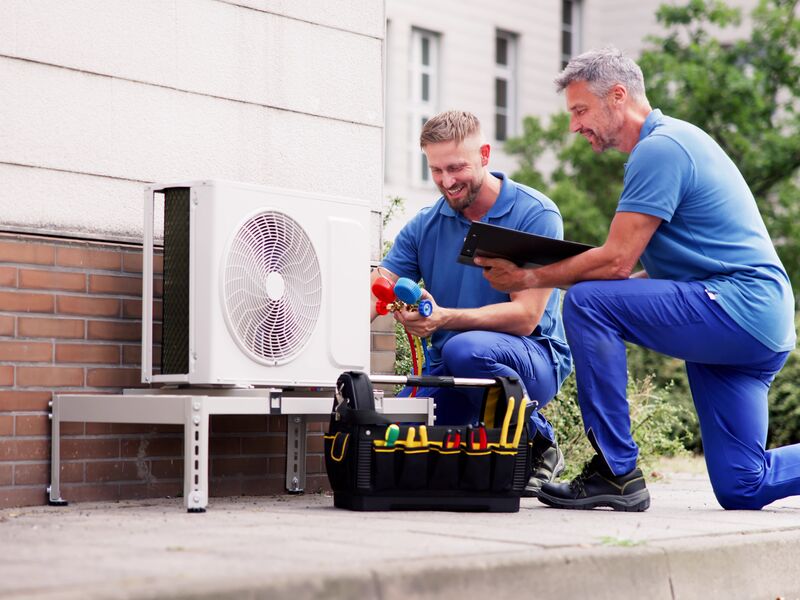
When it comes to understanding AC unit lifespan in this region, experience matters. Creeks Air Conditioning & Heating has spent decades working with Northeast Florida homeowners and the unique challenges their systems face. Our team understands how heat, humidity, and coastal conditions affect long-term performance.
We’re a Carrier authorized dealer, which allows us to offer reliable, energy-efficient systems backed by proven technology. Our A+ rating with the Better Business Bureau reflects our commitment to providing honest service, clear communication, and dependable results. Customers also benefit from our workmanship guarantees, which help set realistic expectations for system longevity.
We offer:
AC Repair Services
Not every issue calls for replacement. Many systems can continue running well with timely repairs. Our AC repair services focus on providing accurate diagnostics and long-term solutions, not quick fixes that lead to repeat calls.
From electrical issues and refrigerant problems to airflow concerns, our technicians address the root cause of performance problems. Prompt repairs can help stabilize system operation and extend the lifespan of AC equipment that still has years of service left.
AC Unit Replacement Services
At some point, replacement becomes the smarter option. When repairs become frequent or efficiency drops, upgrading can offer better comfort and lower operating costs. Creeks Air Conditioning & Heating guides homeowners through the replacement process step by step.
We’ll start with an evaluation of your current system, home layout, and cooling needs. From there, we’ll recommend options that fit both your comfort goals and budget. Newer systems are designed with improved efficiency and humidity control, which can reduce energy costs while supporting a longer AC unit lifespan. Proper sizing and professional installation play a substantial role in how long a new system will last.
Can Regular Maintenance Extend the Life of an AC System in North Florida?
Yes, regular maintenance can make a noticeable difference. Routine service helps systems run more efficiently and reduces stress on major components. Over time, that adds up to a longer AC unit lifespan and fewer surprise breakdowns.
Maintenance services typically include system inspections, coil cleaning, airflow checks, and performance testing. These visits allow small issues to be corrected before they shorten the average lifespan of an AC unit.
Plan for Your AC Unit’s Lifespan
Understanding the factors that affect AC unit lifespan helps homeowners make informed decisions about repairs, maintenance, and replacement. While North Florida’s climate can be tough on systems, the right care and professional support can make a real difference.
If you’re concerned about how long your system will last or want a clearer picture of its condition, Creeks Air Conditioning & Heating can help. Reach out to us today to schedule an AC lifespan evaluation and get expert insight into your system’s performance and long-term outlook.